Front-end game engineering
The Player-Facing Product Layer
Production-focused client engineering for casino games across desktop and mobile environments.
What this layer carries
Technology
OpenGamer builds game clients and backend modules, supports RGS-related development, and helps connect games to partner APIs, wallet flows and release environments.

A playable reference showing the player-facing layer that connects to backend, integration and release work.
Engineering path
Player-facing experience
Session & round logic
Wallet & API mapping
Acceptance & release
Engineering scope
Use OpenGamer for a focused frontend, backend or integration scope, or combine several layers into one coordinated delivery.
Scope principle
Start at the layer where the delivery gap exists. Add adjacent layers only when the product or integration path requires them.
HTML5 game clients, responsive interfaces, animation integration and performance-focused rendering.
Can connect to the next delivery layer ↓
Session flows, game logic, configuration, reporting and operational visibility.
Can connect to the next delivery layer ↓
Backend modules and delivery support around remote game server environments.
Can connect to the next delivery layer ↓
Wallet communication, API mapping, operator and aggregator integration workflows.
Can connect to the next delivery layer ↓
QA coordination, acceptance preparation and post-release product support.
Front-end game engineering
Production-focused client engineering for casino games across desktop and mobile environments.
What this layer carries
Backend & RGS-related engineering
Backend engineering for game sessions, wallet communication, game logic, reporting and partner connectivity.
Architecture
A layered view separating player, partner, game technology and operational environments.
The exact boundary depends on the partner environment. Authentication, wallet behavior, API contracts and operational requirements are defined from actual partner documentation, not assumed in advance.
Discuss ArchitectureArchitecture flow
Each boundary stays explicit so scope, ownership and partner dependencies remain visible.
Player-facing game client, device context and launch flow.
Operator, aggregator, wallet, authentication and partner-owned systems.
Game client integration, backend services, game logic and RGS-related engineering.
Reporting, QA support, release coordination and post-release visibility.
Partner-specific boundary
Authentication, wallet behaviour, API contracts, deployment constraints and acceptance criteria depend on the actual partner documentation and target environment.
Game client, responsive UI, launch state and player interaction.
Session, round, configuration and reporting logic where required.
Wallet, authentication, API mapping and acceptance expectations.
QA, monitoring expectations, handoff and post-release support scope.
Product references
The technology story is connected to multiple kinds of OpenGamer work rather than one repeated showcase title.

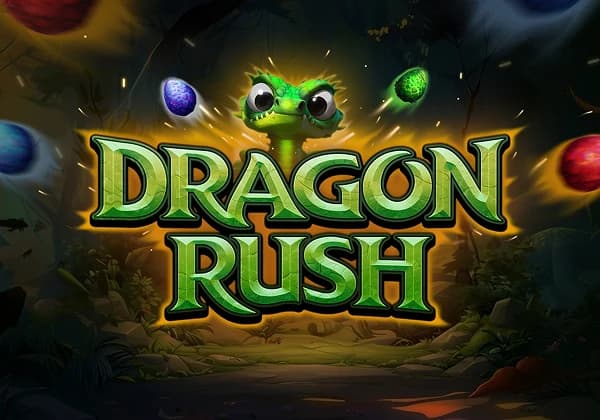
Playable game client
A public game reference for responsive player-facing client and presentation work.
View Game
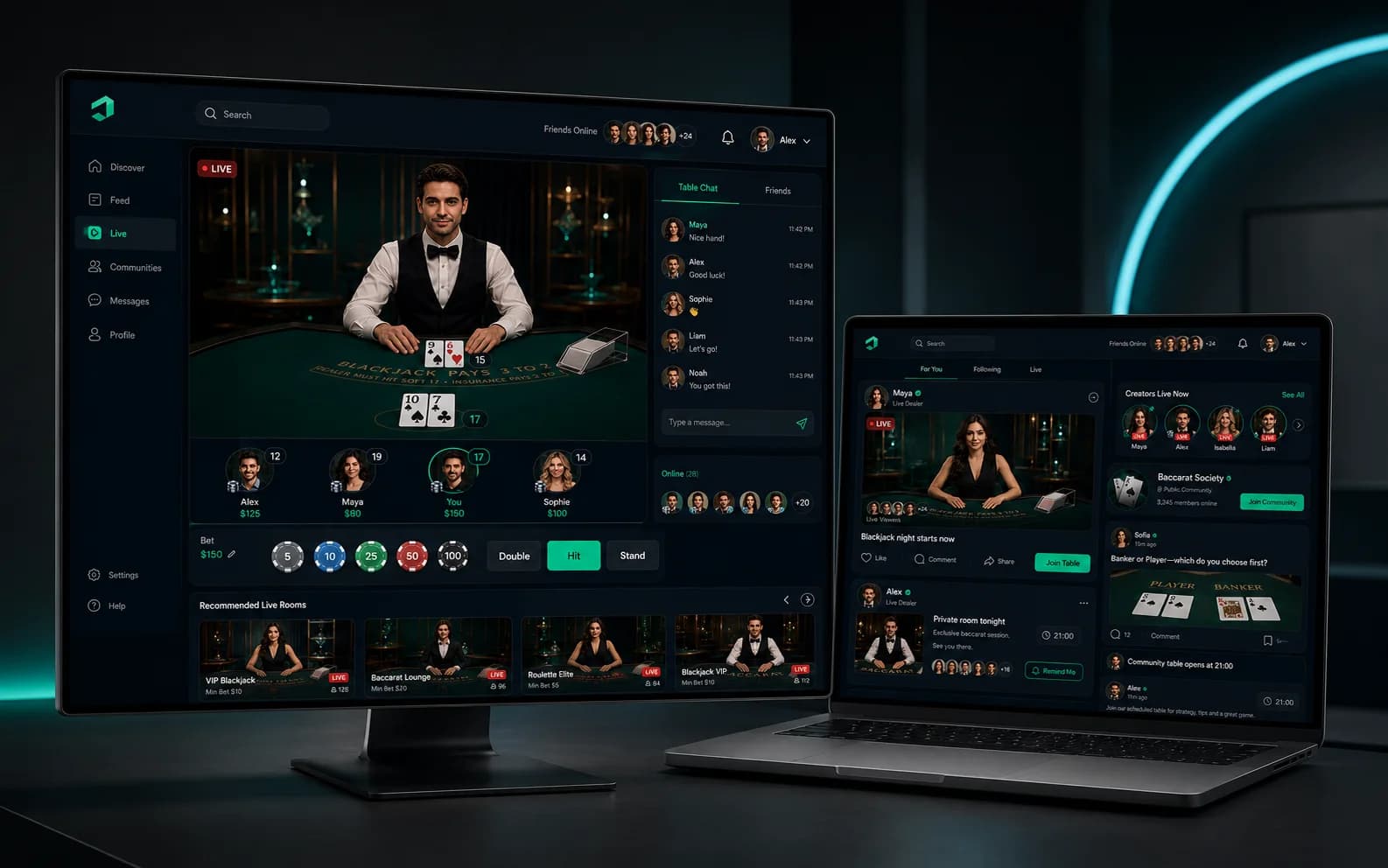
Product interface
B2B social Live Casino product-interface work showing a different product and UX surface.
View Product
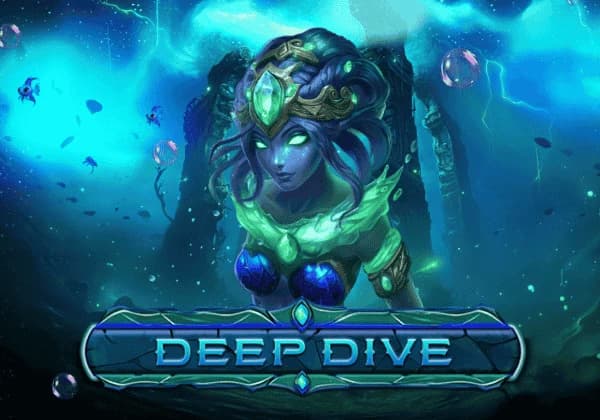
Playable portfolio
A second game-production reference connecting product presentation with the wider delivery stack.
View GameDelivery
Each integration starts with the real partner documentation and environment, then moves through implementation, QA, acceptance and release.
Technical context, target environment and responsibilities are clarified.
API, wallet, authentication and launch documentation is reviewed.
Connection assumptions are validated against the actual partner environment.
Launch, session, wallet and error-state behavior is implemented and tested.
Functional, regression and integration scenarios are exercised.
Open issues and partner acceptance requirements are resolved.
Production handoff and release coordination are agreed with the partner.
Post-release issues, monitoring expectations and follow-up scope are handled as agreed.
Ways to engage
Use a focused project, embedded technical capacity, co-development or continuing support depending on who needs to own the work and for how long.
A defined technical package with a clear beginning, boundary and handoff.
Embedded capacity for a continuing engineering roadmap or product stream.
Shared delivery where responsibilities are split between OpenGamer and the partner team.
Focused help around APIs, wallet flows, acceptance or release dependencies.
Ongoing maintenance and technical support after the initial delivery scope.
Engineering principles
A small set of principles shapes how technical work is scoped and handed off.
Useful first brief
You do not need a finished specification. Send the target environment, current implementation, dependencies and the part you need OpenGamer to own.
Operator, aggregator, platform or other target environment.
What already exists: client, backend, documentation, sandbox or integration work.
Wallet, authentication, APIs, QA preparation or third-party constraints.
The exact technical gap you need OpenGamer to own or support.
Start a project
Share the target environment, current implementation, technical dependencies and the part you want OpenGamer to build or support.
Start from the gap that matters. Define the rest only when it affects scope.